
In 2026, families are expecting more from senior living than ever before. They are not just looking at floor plans, meal schedules, or levels of care. They are also paying close attention to the day-to-day experience. What does life actually feel like for the people who live there? Are residents simply passing time, or are they truly engaged? Do activities feel meaningful, social, and enriching, or do they feel repetitive and generic?
That is exactly why the conversation around senior living activities is changing.
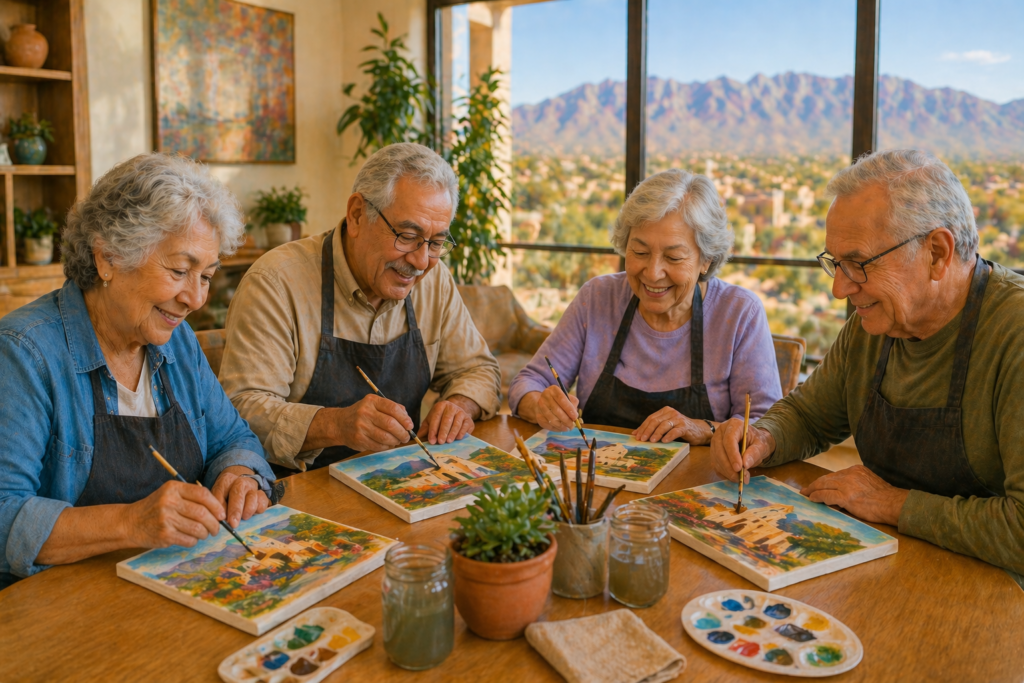
Today, the strongest communities understand that activities are not just an extra feature on a brochure. They are a major part of quality of life. They support emotional wellness, mental stimulation, social connection, routine, and even confidence. For many residents, the right activity at the right moment can brighten the entire day. For families, seeing a loved one involved, smiling, and connected brings a huge sense of relief.
This is one reason the top retirement communities Las Cruces are rethinking what engagement really means. In the past, activities may have been treated as a nice addition. In 2026, they are becoming a core part of what makes a community feel vibrant, thoughtful, and supportive. At Haciendas at Grace Village, that shift matters because families are looking for more than care alone. They want a place where their loved one can continue to enjoy life in ways that feel personal and purposeful.
Activities Are No Longer Just About Staying Busy
For a long time, many people assumed that activities in senior living were mostly there to fill the calendar. A bingo game here, a craft session there, maybe a holiday event every now and then. While those moments can still be enjoyable, families and senior living teams now understand that engagement should go much deeper than simple entertainment.
Residents do not need to stay busy just for the sake of being busy. They need opportunities to feel included, stimulated, relaxed, and connected. A meaningful activity program should support the whole person, not just the clock.
That means activities should help residents:
- Build social connections
- Feel part of a community
- Maintain a sense of routine
- Stimulate memory and conversation
- Support physical movement when possible
- Reduce boredom and isolation
- Encourage joy, confidence, and participation
This shift has changed how communities think about everyday life. Instead of asking, “What can we put on the calendar?” more communities are now asking, “What helps residents feel their best?”
Why This Matters So Much in 2026
Families in 2026 are more informed, more involved, and more intentional. They are asking better questions when they tour communities. They want to know whether their loved one will simply be safe or whether they will actually be living well.That difference is important.
A safe environment is essential, but safety alone does not create a fulfilling day. Seniors also need moments of connection, laughter, stimulation, and calm enjoyment. Without that, daily life can start to feel repetitive or isolating, even in a supportive setting.
That is why strong activity programming has become one of the clearest signs of a thoughtful senior living community. It shows that the community values wellness in a broader sense. It shows that residents are seen as people with personalities, preferences, stories, and emotional needs, not just care plans.
What Families Really Want to See
When families visit a senior living community, one of the most reassuring things they can notice is engagement. Are residents talking with one another? Is there energy in the common areas? Are activities designed in a way that feels inviting rather than forced?
Most families are not looking for a packed schedule with endless events. They are looking for signs that the environment encourages a good life.
They want to see things like:
- Residents laughing or interacting naturally
- Comfortable group settings where people feel welcome
- Gentle routines that create rhythm in the day
- Activities that fit different personalities and ability levels
- Opportunities for movement, creativity, reflection, and fun
- Staff who genuinely encourage participation with warmth
This is especially important because not every resident enjoys the same things. Some may love games and group events. Others may prefer conversation, music, outdoor time, or quieter moments. A good community understands that engagement should be flexible and personalized.
The Growing Importance of Everyday Purpose
Purpose is a word that comes up more and more in senior living, and for good reason. As people age, they still want to feel included in life. They still want their days to have structure and meaning. They still want things to look forward to.
That is why communities are moving away from one-size-fits-all programming and toward more intentional experiences. A meaningful day might include a social breakfast, a chair exercise class, a music session, time outside, a small group discussion, or even a familiar household-style routine that helps someone feel grounded.
These moments may seem simple, but they matter a great deal.
They can help residents feel:
- More emotionally connected
- Less anxious or withdrawn
- More comfortable in their environment
- More motivated to participate
- More confident in daily life
- More at home in the community
Purpose does not always have to come from big events. Very often, it comes from consistent small experiences that make someone feel seen and involved.
Rethinking activities for seniors in assisted living
One of the biggest changes in 2026 is how communities approach activities for seniors in assisted living. The focus is shifting from generic programming to more thoughtful engagement that reflects who residents are and how they feel.
That means activities are being looked at through a much broader lens. Instead of asking what is easy to schedule, communities are starting to ask what truly improves a resident’s experience.
The most effective activity programs often include a mix of:
- Social opportunities that encourage friendships
- Cognitive stimulation through conversation, games, or creative exercises
- Light physical movement that supports mobility and confidence
- Relaxing moments that reduce stress and overstimulation
- Familiar routines that create comfort and stability
- Personal interests that give each resident something meaningful to enjoy
This kind of approach helps assisted living feel less like a place where things are done for residents and more like a place where residents are invited to participate in life.
Why Activities Matter Even More in Memory Care
Activity planning becomes even more important when a resident is living with memory loss. For those individuals, the right type of engagement can help reduce anxiety, improve comfort, and create a greater sense of familiarity throughout the day.
That is why a thoughtful memory care facility for Alzheimer’s Las Cruces should never treat activities as optional. In memory care, engagement is often one of the most valuable parts of the day because it helps residents stay connected to their environment in a calm and supportive way.
For people living with Alzheimer’s or other forms of dementia, activities work best when they are:
- Predictable and structured
- Simple and easy to follow
- Sensory and comforting
- Calm rather than overstimulating
- Familiar and emotionally meaningful
- Adapted to the resident’s current ability level
Music, repetitive routines, guided social interaction, light movement, sensory experiences, and memory-friendly creative activities can all play an important role. The goal is not performance. The goal is comfort, connection, and reassurance.
It Is About the Feeling, Not Just the Schedule
One of the biggest mistakes communities can make is measuring activity success only by attendance or quantity. Just because an event happened does not mean it added value. Just because a calendar is full does not mean the experience feels engaging.
What really matters is the feeling behind it.
Did residents seem relaxed? Did they smile? Did they connect with someone? Did the activity help them feel calmer, more included, or more energized? Did it meet them where they were?
That emotional side of engagement is a big part of why communities are changing their approach in 2026. Families can usually tell the difference between programming that is done out of routine and programming that is done with intention.
A meaningful activity program is not just about what happens. It is about how it makes residents feel afterward.
Signs of a Strong Activity Program
When families are evaluating a senior living community, activities should absolutely be part of the conversation. They reveal a lot about the culture of the place and how much thought is being given to resident well-being.
Here are some signs of a strong program:
- Activities are varied and thoughtfully planned
- Residents of different ability levels can participate
- Staff encourage involvement without pressure
- Social interaction feels natural and comfortable
- The environment supports both group and quiet engagement
- Programs feel personalized, not overly generic
- There is a balance of fun, wellness, stimulation, and routine
- Residents seem genuinely connected to the daily rhythm of the community
These details help families picture what daily life will really look like for their loved one, not just what services are technically available.
Why Families Notice This More Than Ever
In 2026, families are not just searching for help. They are searching for quality of life. They know that a loved one’s happiness does not come only from care tasks being completed. It also comes from feeling connected, comfortable, and emotionally supported every day. That is why activities matter so much.
A resident who feels engaged may sleep better, eat better, socialize more, and feel more settled overall. A resident who feels isolated or disconnected may struggle even in an otherwise safe environment. The emotional experience of senior living matters, and activities often shape that experience in very real ways.
For families, this is deeply personal. They want to know that their loved one is not just being looked after, but truly living.
Why Haciendas at Grace Village Fits This New Standard
Haciendas at Grace Village reflects what families are increasingly looking for in 2026: an environment where care and meaningful daily life go hand in hand. As more communities rethink what engagement should look like, the strongest ones are those that understand residents need more than a list of scheduled events. They need connection, familiarity, encouragement, and moments that make the day feel lighter and more personal.
That is what transforms activities from a calendar item into something much more valuable. It makes the community feel warmer, more supportive, and more like home.
Final Thoughts
Senior living is evolving, and families are right to expect more from it. The best communities understand that daily engagement is not a side feature. It is a major part of emotional wellness, connection, and overall quality of life.
When activities are designed with more thought, more flexibility, and more heart, they can do far more than fill time. They can bring comfort, spark conversation, reduce isolation, and help residents enjoy their days in a more meaningful way. That is the kind of experience families want for the people they love, and that is why Haciendas at Grace Village stands out as a place where everyday life can still feel rich, warm, and deeply human.