
When families start looking into memory support, safety is usually one of the first concerns that comes up. They want to know their loved one will be protected, watched over, and supported if confusion, wandering, or physical changes become part of everyday life. But in 2026, safety means more than locked doors and staff nearby. Families are looking for something deeper. They want an environment that feels calm, predictable, and reassuring, because for someone living with dementia, emotional comfort and physical safety are closely connected. Dementia affects memory, thinking, behavior, and eventually the ability to manage daily tasks, which is why the environment itself matters so much.
That is why great memory support today is not just about supervision. It is about designing daily life in a way that reduces stress before it escalates. A calmer setting, more familiar routines, and thoughtful support can help a resident feel less overwhelmed and more secure. Guidance from the National Institute on Aging recommends keeping routines consistent and creating a comforting setting, because predictability can help reduce agitation and confusion in people living with Alzheimer’s and related dementias.
At Haciendas at Grace Village, this shift matters because families are not only asking whether a loved one will be physically safe. They are also asking whether that loved one will feel settled, respected, and less anxious throughout the day. That is a big difference, and it reflects a more thoughtful standard of care.
Safety Starts With Calm, Not Just Control
One of the biggest misunderstandings about memory support is the idea that safety is mostly about restriction. In reality, a safer environment usually feels calmer, not harsher. Someone living with dementia may become distressed by too much noise, abrupt transitions, unfamiliar spaces, or a day that feels unpredictable. The National Institute on Aging specifically recommends reducing noise and keeping daily routines steady, because overstimulation and sudden changes can increase agitation and sundowning-related behaviors.
That means real safety often starts with things like:
- a familiar daily rhythm
- quieter surroundings
- simple, easy-to-navigate spaces
- patient communication
- gentle transitions between activities
- consistent staff support
These things may not seem dramatic, but they are often what help a resident move through the day with less confusion and less fear.
Why a Predictable Environment Matters
For many older adults with cognitive decline, unpredictability can feel unsettling. Not knowing what comes next can create anxiety, and that anxiety can lead to behaviors that make the day harder for everyone. That is one reason structured daily routines are so important in dementia support. The Alzheimer’s Association recommends regular times for waking, meals, bathing, and bedtime because routine can reduce stress and help both caregivers and the person living with dementia feel more grounded.
This is where secure memory care becomes much more than a phrase. It is not just about having protection in place. It is about creating a setting where residents are less likely to feel lost, startled, or overwhelmed in the first place. A secure environment should help the day feel manageable.
Understanding dementia safety in Everyday Life
Families sometimes picture safety only in terms of emergencies, but in memory support, safety is built through small everyday decisions too. It includes how a room is arranged, how hallways are lit, how staff communicate, and how residents are guided through routines. The National Institute on Aging’s home-safety guidance highlights simple but important measures such as reducing clutter, improving lighting, using monitoring devices when needed, and addressing wandering risks with environmental cues and alarms.
In practice, dementia safety often means anticipating what could become confusing or risky before it turns into a problem. That may include:
- reducing trip hazards
- making pathways easier to navigate
- supporting safe bathroom use
- watching for wandering patterns
- noticing when a resident is becoming tired or overstimulated
- using reassurance instead of confrontation
A strong memory care setting understands that safety is not only reactive. It is proactive.
Falls Are One of the Biggest Concerns
Fall risk is a major issue for older adults in general, and it can become even more concerning when memory loss is involved. The CDC says more than one in four adults age 65 and older falls each year, and falling once doubles the chance of falling again. The agency also notes that falls can be reduced and prevented through proven strategies.
That is why fall prevention in memory care is such an important part of daily support. It is not only about responding after a fall. It is about creating an environment and routine that lowers the chances of one happening.
That can include:
- keeping walkways clear
- supporting residents during transfers
- making bathrooms safer
- encouraging proper footwear
- paying attention to fatigue and balance
- monitoring changes in mobility over time
The National Institute on Aging also recommends room-by-room changes such as removing clutter, improving lighting, and adding safety supports in key areas of the home or living space, all of which align closely with fall-prevention planning in senior settings.
Supervision Should Feel Supportive, Not Cold
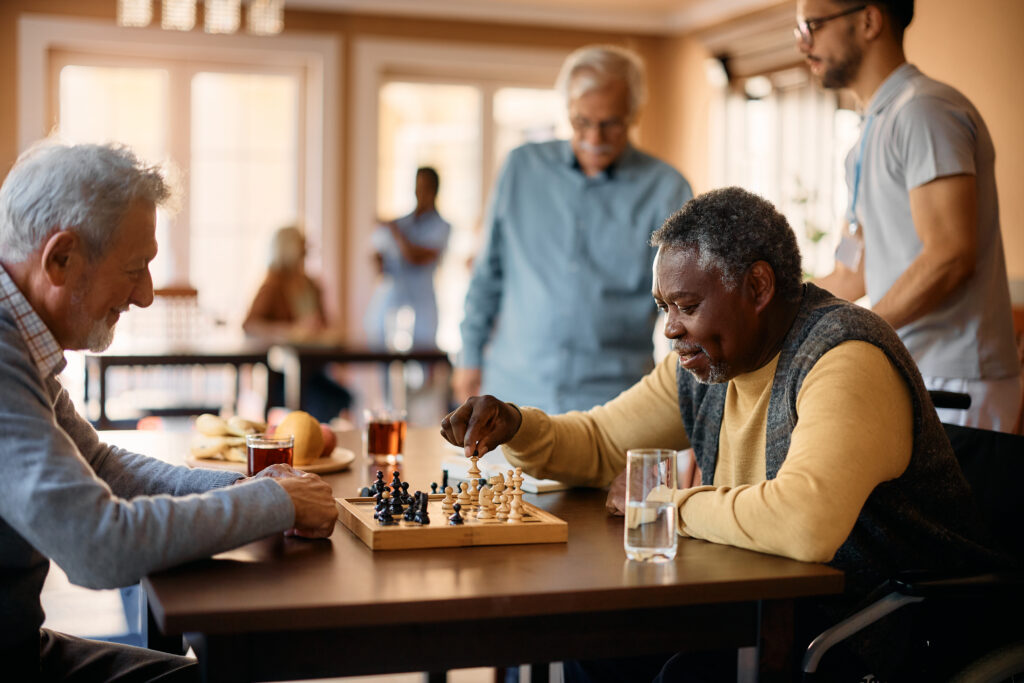
Families often want to know that someone will always be nearby if help is needed. That is completely understandable. But the strongest environments do not make supervision feel institutional. They make it feel reassuring.
Good supervised senior care means residents are not left to struggle through confusing moments alone. It means someone notices when a person is becoming restless, tired, disoriented, or physically unsteady. It means support is present before the situation becomes a crisis. The National Institute on Aging recommends alert systems, observation for fall risks, and sharing concerns such as wandering or prior falls with care teams because those patterns matter for ongoing safety.
The tone of that supervision matters too. Residents need patience, not pressure. They need calm guidance, not rushed correction. Safety feels different when it comes with dignity.
Wandering and Disorientation Need Thoughtful Prevention
Wandering is one of the most stressful concerns for families dealing with dementia. A loved one may leave a room, head toward an exit, or become disoriented about where they are and why. The National Institute on Aging recommends practical prevention steps such as locked doors, STOP or DO NOT ENTER signs, and door alarms or smart doorbells to alert caregivers when movement becomes risky.
This is where the idea of prevention dementia can be understood in a practical care sense. Dementia itself is not something a community can simply prevent, but many of the dangerous situations that come with cognitive decline can be reduced through planning, supervision, and environmental design. Prevention in daily living means lowering risk, reducing confusion triggers, and making the space easier to live in safely.
The Emotional Side of Feeling Safe
A person can be physically protected and still feel uneasy. That is why emotional safety matters just as much. If a resident feels constantly rushed, overstimulated, or unsure of what is happening, the environment may not truly feel safe to them. The National Institute on Aging recommends creating a comforting home setting and sticking to routine because those steps can help reduce distress and agitation.
Emotional safety often grows through:
- familiar routines
- kind and consistent caregivers
- clear, simple communication
- comfortable common spaces
- activities that are adapted, not overwhelming
- a sense of rhythm throughout the day
These details help residents feel less like they are being managed and more like they are being cared for.
What Families Should Look For
When families tour a community, they should pay attention to more than brochures or features lists. The atmosphere often tells the real story. They should notice whether the environment feels calm, whether staff members seem patient, and whether residents appear comfortable rather than overstimulated.
A strong memory support setting should show signs of:
- consistent routines
- thoughtful monitoring
- safe, uncluttered spaces
- attention to wandering and fall risks
- warm communication
- a balance of activity and rest
- an environment that feels secure without feeling harsh
The best places are often the ones where safety is built quietly into everyday life.
Why This Matters More in 2026
Families today are more informed than ever. They understand that memory support should not be judged only by whether someone is watched over. They want a place where their loved one can move through the day with less fear, more comfort, and the right kind of support. Prevention, routine, environmental design, and thoughtful observation all point in the same direction: they are central to safer dementia care.
At Haciendas at Grace Village, that understanding matters because safer living is not just about preventing worst-case scenarios. It is about creating better everyday experiences.
Final Thoughts
A safe memory support setting should do more than protect. It should reassure. It should lower stress, support confidence, and make daily life feel more manageable for the person living there and for the family who loves them.
When a community combines calm surroundings, thoughtful routines, attentive staff, and practical safety planning, it creates something much more meaningful than basic oversight. It creates peace of mind. That is why Haciendas at Grace Village stands out for families who want not only protection, but a setting that truly feels supportive, steady, and humane.