
How Memory Care Helps Families Reconnect When Caregiving Gets Too Much
Taking care of a loved one with dementia is one of the most important things a person can do. It is an act of love, patience, and serious devotion. But

Taking care of a loved one with dementia is one of the most important things a person can do. It is an act of love, patience, and serious devotion. But

Food means a lot more than just food for many households. Meals are times to connect, relax, and get back into a pattern. But for older persons with dementia, food
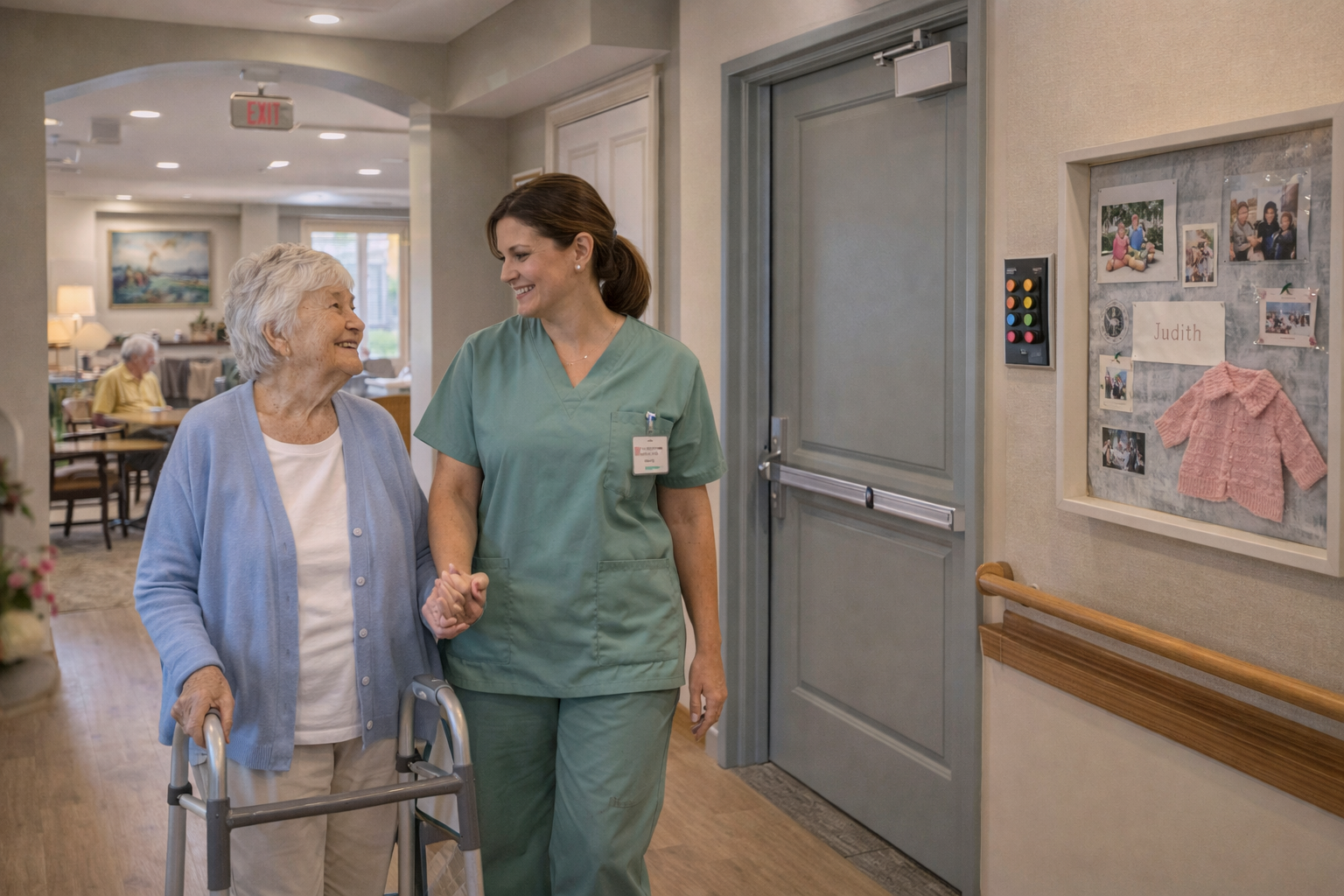
When families start looking for help for a loved one whose cognitive abilities are getting worse, safety is one of their main worries right away. It’s very normal to have

Taking care of a loved one who is having trouble thinking can be hard on both your mind and body. Families often want to know what kind of place will

For a lot of families, the trip starts off softly. A missed appointment here. A discourse that was forgotten there. Maybe a stove was left on or pills were missed

It doesn’t happen all at once very often. It could feel like forgetting at first. An item that is out of position. A question that keeps coming up. An appointment

When a loved one begins to experience cognitive decline, families often find themselves navigating an emotional landscape filled with worry, guilt, exhaustion, and love—all at once. What starts as helping
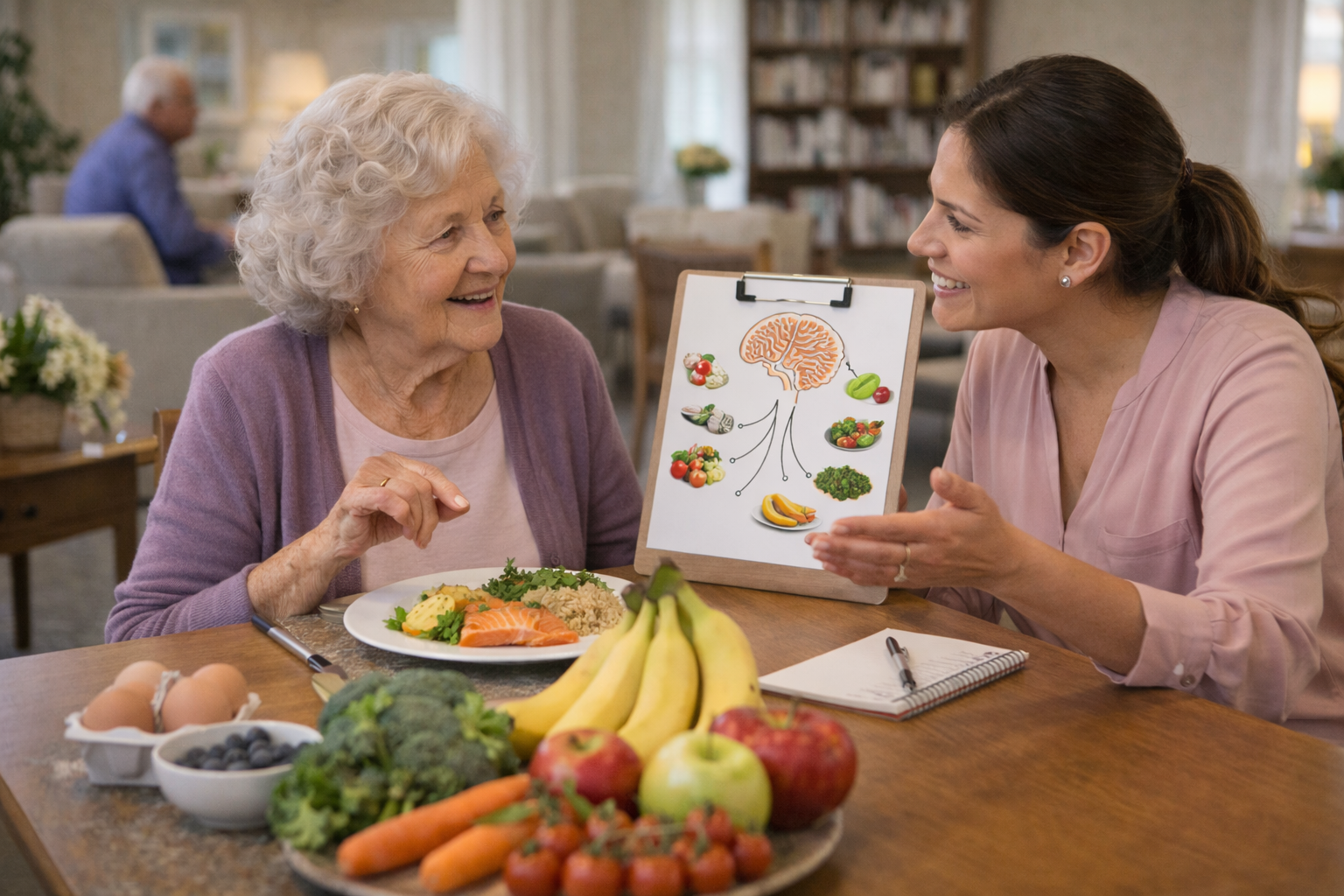
As cognitive conditions progress, everyday activities that once felt simple—like eating a meal—can become confusing, frustrating, or even unsafe. Families often notice changes in appetite, weight, or eating habits long
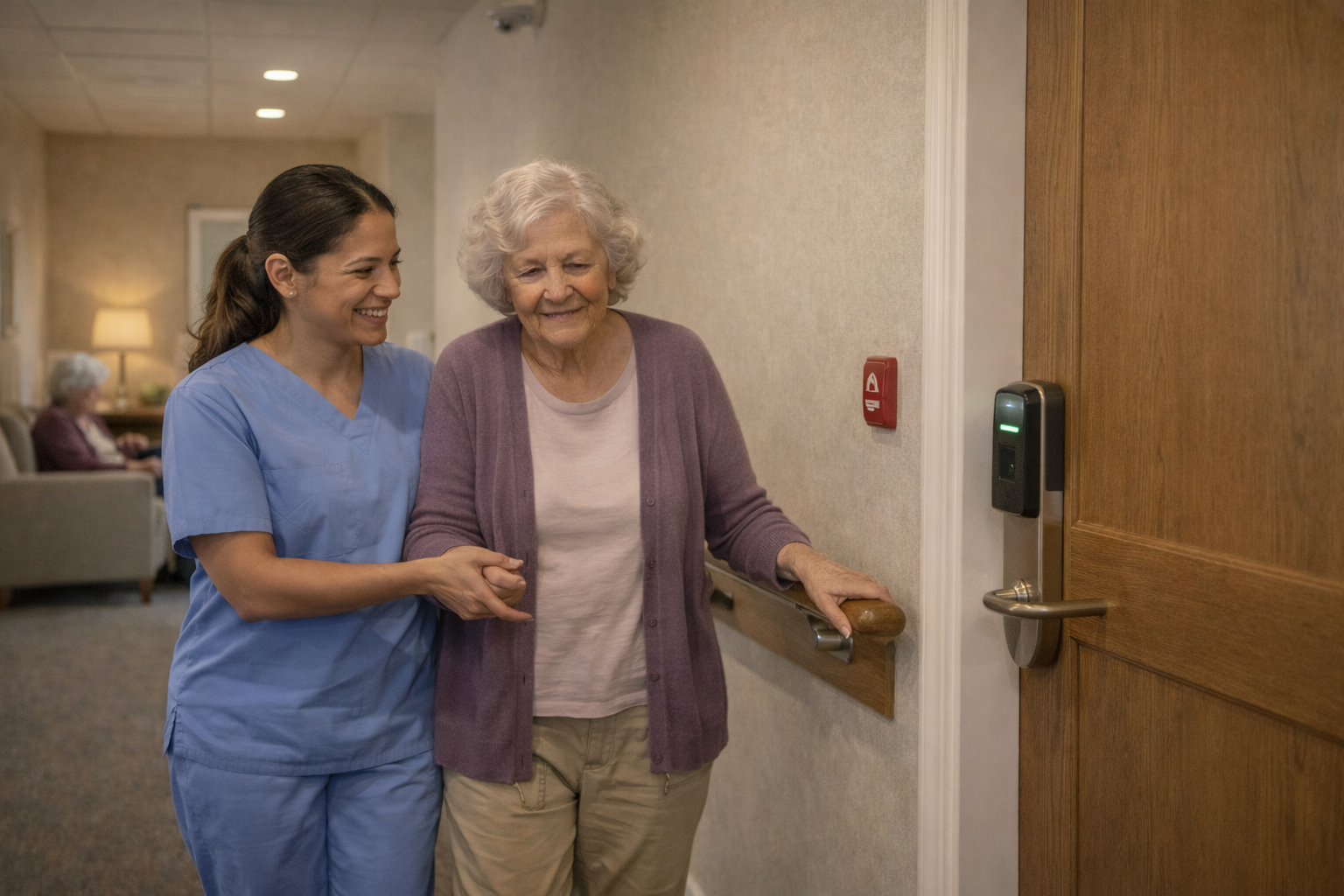
When families begin exploring senior living options for a loved one with cognitive decline, safety quickly becomes the top concern. Questions arise around wandering, falls, medication management, and whether staff

No two people experience cognitive decline in the same way. Each individual arrives with a lifetime of routines, preferences, strengths, fears, and relationships that shape how they respond to care.

Making the decision to move a loved one into memory care is rarely about logistics alone. It is an emotional crossroads—one shaped by love, concern, guilt, relief, fear, and hope,

For individuals living with dementia, the world can feel unpredictable. Familiar tasks become confusing, time feels distorted, and changes—no matter how small—can create anxiety or distress. In this context, structure