
Finding the right care option for an aging loved one is rarely a simple decision. For most families, it is not just about checking off services on a list. It is about making sure someone they love feels safe, comfortable, respected, and supported in a way that still feels personal. In 2026, that decision has become even more thoughtful. Families are asking better questions, looking closer at lifestyle needs, and searching for care options that offer more than basic assistance.
That is exactly why more people are exploring private senior care Las Cruces. They are looking for a solution that feels warm, flexible, and better matched to the real day-to-day needs of their loved one. They want care that fits the person, not just the diagnosis. They want support without losing dignity. They want comfort without sacrificing safety. And most of all, they want peace of mind.
At Haciendas at Grace Village, these are the same concerns families bring with them every day. The conversation is no longer only about whether a senior needs help. It is about what kind of environment will help them feel most at ease while still receiving the right level of support.
Why Families Are Taking a More Personal Approach in 2026
Not long ago, many families approached senior care decisions in a more reactive way. They waited for a fall, a medical scare, or a serious change in daily functioning before starting the conversation. Now, more families are planning earlier and with greater intention. That shift matters.
People understand that aging well is not only about medical needs. It is also about routine, social connection, emotional comfort, and the ability to live each day with as little stress as possible. Families want to avoid crisis-based decisions. They would rather choose a care option before things become overwhelming.
In 2026, that means many are looking for care settings that feel more personalized and less institutional. They want flexibility. They want a home-like atmosphere. They want support that respects independence while still being there when it matters most.
This is one reason the idea of private senior care continues to stand out. It suggests a more personal experience, one that feels tailored instead of generic.
What Families Really Mean When They Say “The Right Level of Support”
One of the hardest parts of this journey is figuring out how much support is actually needed. Some seniors are still independent in many ways but need help with meals, medications, or mobility. Others need closer supervision, more hands-on assistance, or help managing memory-related changes.
The challenge is that too little support can create stress and safety concerns, while too much can make a loved one feel like they are losing control.
That is why finding the right level of support is so important. Families are not just asking whether help is available. They are asking whether the care feels appropriate, balanced, and respectful.
A good care environment should provide assistance with things like:
- Daily routines and personal care
- Medication reminders or management
- Meal support and nutrition
- Mobility and fall prevention
- Housekeeping and laundry
- Social interaction and routine
- Emotional reassurance and consistency
But it should also leave room for independence, personal preference, and the kind of daily rhythm that makes life feel familiar.
Comfort Matters More Than Ever
Comfort is one of the biggest reasons families make a change. Not just physical comfort, but emotional comfort too. A loved one may technically be managing at home, but if they are anxious, lonely, tired, or overwhelmed by everyday tasks, their quality of life may already be declining.
Comfort can come from simple things:
- Knowing someone is nearby if help is needed
- Having meals prepared consistently
- Being in a calm and welcoming setting
- Seeing familiar faces every day
- Following a routine that feels easier to manage
- Feeling less isolated and more supported
These details can make a major difference in how a senior feels from one day to the next. Families often notice that once a loved one is in the right environment, the stress begins to lift. There is less uncertainty, less pressure, and more stability.
That is one of the biggest reasons senior care decisions are about more than safety alone. They are also about preserving comfort and helping someone enjoy life more fully.
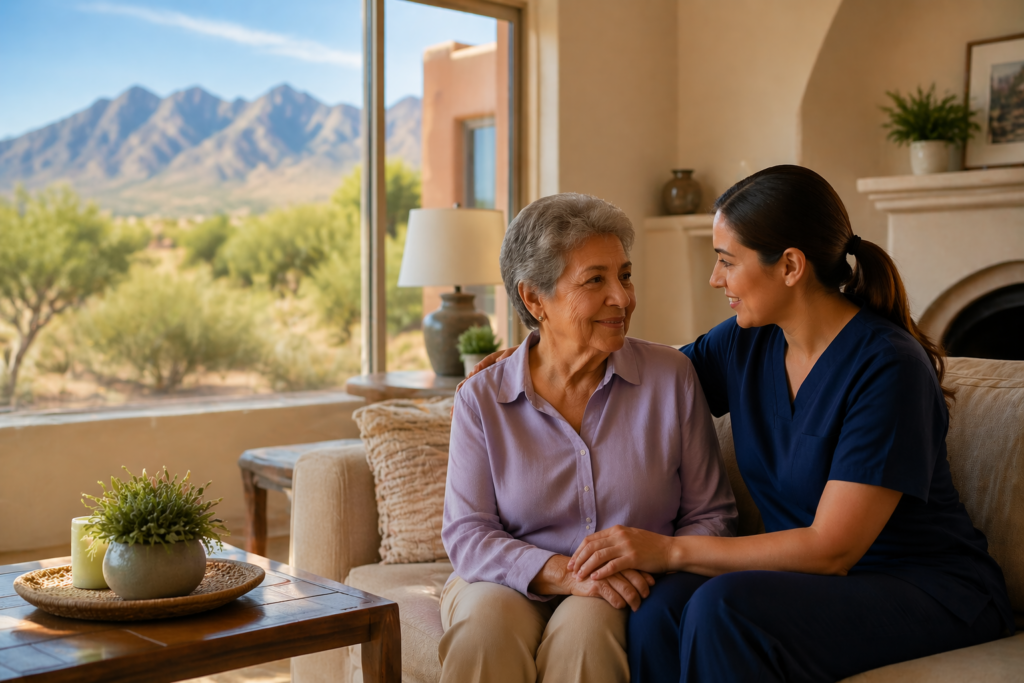
Flexibility Is a Major Priority for Modern Families
Every family situation is different, and every senior has their own preferences, habits, and care needs. That is why flexibility has become such a big priority in 2026.
Families want options that can meet their loved one where they are now, while also allowing room for changes over time. They do not want a rigid system that feels impersonal. They want an approach that understands aging is not one-size-fits-all.
Flexibility can mean:
- Personalized routines
- Different levels of support depending on need
- A balance between privacy and assistance
- Opportunities for social time without pressure
- Living spaces that feel comfortable and home-like
- Care that adjusts as needs evolve
This is especially important when a loved one still values independence but is clearly beginning to need more help. The right environment should not feel like a drastic loss of freedom. It should feel like a thoughtful next step that makes daily life easier and more enjoyable.
Understanding the difference between assisted living and nursing home
This is one of the most common questions families ask, and it is an important one. Understanding the difference between assisted living and nursing home care helps families make a more confident and informed decision.
In general, assisted living is designed for seniors who still want a degree of independence but need help with daily tasks such as bathing, dressing, meals, medication reminders, or mobility. It tends to offer a more residential, community-based environment with social opportunities, activities, and a greater focus on lifestyle as well as support.
A nursing home, on the other hand, is typically meant for individuals with more advanced medical needs who require round-the-clock skilled nursing care or more intensive supervision. The environment is often more clinical because the level of care is higher and more medically focused.
For many families, the goal is to choose the least restrictive setting that still provides the right support. If a loved one does not need intensive medical care, assisted living may offer a much better balance of comfort, autonomy, and everyday assistance.
That distinction is important because families sometimes assume a nursing home is the next step as soon as someone starts struggling. In reality, many seniors do much better in an assisted living environment that feels warmer, more social, and more connected to daily life.
The Value of a Home-Like Setting
One of the strongest trends in senior care right now is the move toward environments that feel more like home and less like institutions. Families are paying attention not only to services, but to atmosphere.
They want to know:
- Does the space feel peaceful and inviting?
- Do residents seem comfortable and engaged?
- Are caregivers warm and respectful?
- Does daily life feel calm and familiar?
- Can a loved one still enjoy privacy and personal space?
A home-like setting can make transitions easier. It helps seniors feel less like they are entering a medical system and more like they are moving into a place where they can still be themselves.
That emotional side of care matters a great deal. When someone feels at ease in their environment, they are often more open to routine, social interaction, and support.
Why Small Lifestyle Details Matter to Families
In 2026, families are looking beyond the major care categories and paying more attention to the details that shape daily life. They want to know what a loved one’s routine will actually feel like, not just what services are technically available.
That includes things like meals, social opportunities, cleanliness, activities, quiet spaces, and even whether a beloved pet can remain part of the transition.
This is one reason searches for pet friendly assisted living Las Cruces continue to matter. For many seniors, pets are not a minor preference. They are part of daily companionship, emotional comfort, and a familiar sense of home. Families know that details like this can have a real impact on how supported and settled a loved one feels.
When a care setting pays attention to these personal lifestyle concerns, it often creates a much better overall experience. Seniors do not just need help. They need an environment that still feels recognizable, comforting, and human.
Signs It May Be Time to Choose More Support
Families often know something has changed before they fully admit it. Maybe their loved one is still trying to manage alone, but daily life is getting harder. Maybe family members are stepping in more often than they used to. Maybe there is a growing sense of worry that never fully goes away.
Some common signs that it may be time for additional support include:
- Missed medications or confusion with prescriptions
- Trouble preparing meals or eating regularly
- Increased risk of falls or mobility issues
- Difficulty with bathing, dressing, or housekeeping
- Signs of loneliness, anxiety, or withdrawal
- More frequent forgetfulness or disorientation
- A home environment that is becoming harder to manage
- Family caregivers feeling overwhelmed or stretched thin
When several of these signs begin to show up together, it may be time to stop trying to “make it work” and instead start looking at what would truly improve daily life.
What Families Should Look For in the Right Community
Choosing the right senior care option means looking beyond marketing language and paying attention to what the community actually feels like. Families should visit, observe, and ask thoughtful questions.
Look for things like:
- A warm, respectful atmosphere
- Staff who communicate with patience and kindness
- Residents who appear comfortable and engaged
- A clean, welcoming environment
- Support that feels personalized, not rushed
- A balance between privacy and community
- Activities and routines that add meaning to the day
- Clear communication with family members
The right community should feel like a place where a loved one can settle in, not just be placed.
Why Haciendas at Grace Village Reflects What Families Want
Haciendas at Grace Village speaks to what families are truly searching for in 2026: comfort, flexibility, and support that feels thoughtful rather than generic. Families want more than a care plan. They want an environment where their loved one can feel safe, respected, and genuinely at home.
That is the heart of good senior care. It is not just about responding to needs. It is about creating an everyday experience that feels calmer, warmer, and more manageable for everyone involved. When families find that balance, the decision becomes less about fear and more about relief.
Final Thoughts
Choosing care for a loved one is one of the most emotional decisions a family can make, but it can also be one of the most caring. The right setting does more than provide help. It creates stability, comfort, and a better rhythm for everyday life.
In 2026, families want options that feel personal, flexible, and supportive without feeling cold or overwhelming. They want a place where aging can be met with dignity, warmth, and the right kind of help. Haciendas at Grace Village offers the kind of environment that helps families move forward with greater confidence and gives loved ones a place where support can truly feel like home.